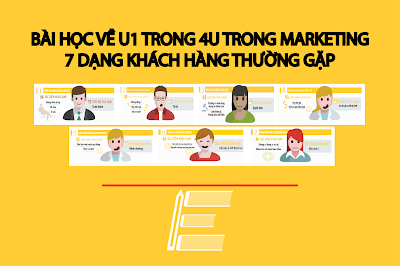
Today we’re starting lesson U1 “UNDERSTANDING CUSTOMERS” — covering the 7 types of customers that every salesperson tends to run into, and how to convince them to buy from you. Spoiler: this applies to pretty much any industry! As for more specific, industry-related customer types, The Fool will share those with you in later clips!
1. Let’s start with the first type: “The customer who’s the hero of a fairy tale”:
Named after a fairy-tale reference because these customers are very friendly and trusting. Selling to this type is easy — just be a little tactful and sincere, and they’ll happily spend a large sum to own that item, so they can feel like Tấm or Cinderella, just the way they want.

However, because this type trusts so easily, they’re often given careless advice and end up choosing lower-quality products — which is why they eventually become guarded. When advising them, you should guide their attention toward a product that actually suits them, and use sincere compliments to lower their guard. Make them feel trusted when buying, so next time they come back — not necessarily to buy, but to get your advice.
NOTE:
This type of customer wants the freedom to choose the product they like, so let them pick first, then offer advice (from the perspective of someone who already owns the item, not a salesperson). Share your honest opinion on whether the product suits them or is safe, and give advice from there.
(EVEN WHEN SELLING VIA FACEBOOK OR OTHER ONLINE CHANNELS, YOU MUST CAREFULLY CHECK THEIR PERSONAL PROFILE, INTERESTS, ETC., OR ASK ABOUT THESE DIRECTLY TO WIN THEM OVER.)
2. The 2nd type: “The short-tempered customer”:
NOTE:

Absolutely do not interrupt while they’re stating their opinion — try to listen and find what will satisfy them, hitting exactly the right spot. Arguing back with a customer over their dissatisfaction will only hurt you — a stubborn person will always think they’re right, and over-explaining wastes effort for no benefit.
The best approach is to learn to listen and understand them — because the pickier they are, the more genuine their needs, and the more they care about the item they’ve chosen. This could well be a potential customer — once you can satisfy this difficult customer, selling won’t be a hard story anymore.
3. The 3rd type: “The customer who keeps chanting: should I or shouldn’t I”:
This type of customer gives many of The Fool’s collaborators headaches, and they’ve asked how to handle them. Here’s a thorough solution.

The hesitant customer is really a 50-50 “yes-man” type. They depend on family, friends, and people around them. They easily agree with your advice, but if someone else criticizes the item, they’ll immediately switch to something else — making advising them a real hassle, as they keep picking and choosing, wasting time without ever settling on something they like.
NOTE:
For someone hesitant about their own choice, find them a reason to pick that product, and at the same time, try to get your customer to test the product in a space with just the two of you, to avoid outside influence.
4. The type who loves to haggle:
For this type, most of them have been overcharged before at some sky-high price, so they haggle to reduce the risk of being overcharged again.

When doing business with them, quote a price twice as high — as you go back and forth and get down to about half, they’ll feel satisfied because they just “won” a battle of wits. And the winner is your customer. Your job is to make them believe that price is worth the product, while also letting them come out on top on price. Make them feel they got a better deal than other customers buying the same product. Give them that special feeling — like free doorstep delivery today only, delivered personally and on time, at no extra cost.
Note:
A customer who loves to haggle can also turn into the trusting type once you address their fear of “being overcharged.” If you can’t address it, the haggling customer will turn into the suspicious type — in that case, talk to them the way you would a suspicious customer, but only regarding price.
5. The type who loves to show off:
This is the arrogant type, always acting like they know everything. They always want to be praised and listened to. So winning them over isn’t hard — just listen to them boast, and actively praise the item they’ve picked.

Suggest questions to them about the product they’re buying, its origin, and make sure they can answer. That will feed their pride, and they’ll easily turn into the “cash cow” type.
Note:
With this type, you should relax — some of their boasting sounds impressive but is completely at odds with the product’s actual condition. What you need to do is go along with what they think they know, appeal to their pride, and afterward they’ll turn into the first type — “trusting” — and always follow your buying advice.
6. The impulsive customer:
This type usually decides on a whim. So you need to know how to raise their emotions and close the deal right when they’re at their most excited peak.

Note:
The impulsive customer can turn into any of the 5 types above, depending on their mood at the time. So you need to spend time with them and pick the moment they’re most excited to steer them your way.
7. The type who always agrees:
This is actually the hardest type to win over. They never object to anything and always nod along with everything you say — yet deep down they have entirely different decisions in mind.

To work with this type, don’t just talk about the product — instead ask: “Sir, would you mind if I asked you something? Why haven’t you decided to seize this opportunity, buy the product, and enjoy the benefits it brings?”
This customer will respond in one of two ways: “It’s because…” — and you’ll know how to proceed. Or they’ll say: “What makes you think I’m not going to buy it?” If they say that, all you need to do is write up the order.
Note:
This always-agreeing type is the hardest to win over because we can’t read their mind from the very first moments — they’ll always give short replies like “uhm,” “oh,” and then decide based on their own thinking anyway. What makes them tricky is that they don’t push back strongly like the suspicious type, don’t show confusion like the hesitant type, and don’t act like a know-it-all like the show-off type. To convince them, you have to make them state their own thoughts out loud first, and only then will they decide based on that.
THE FOOL — EASY KNOWLEDGE CHANNEL